The Witcher 3: Wild Hunt Wiki guide · Remastered
Best Witcher 3 swords and how to choose
Use a steel sword for humans and a silver sword for monsters, then choose the best current School sword or relic based on level, bonuses, rune slots and the build it supports.
01 / Prerequisites
Prepare before leaving
- ✓Keep both steel and silver swords equipped.
- ✓Repair weapons before a major contract.
- ✓Check the rune and glyph slots available.
02 / Route
Follow the path in order
- 01
Match the sword to the enemy
Steel handles humans and nonhumans. Silver handles monsters. Correct sword selection is the first damage multiplier and costs nothing.
- 02
Compare the full weapon package
Raw damage matters, but critical chance, armor penetration, sign intensity, adrenaline and rune slots can change which sword wins for your build.
- 03
Use School swords with School armor
Feline, Griffin, Ursine and Wolven sets include matched swords. Completing the set is often more consistent than mixing one high-damage weapon with unrelated armor.
- 04
Upgrade at the right time
Move to the next tier when the new sword is level-appropriate and the crafting cost does not delay a more important set piece.
- 05
Keep a practical backup
A secondary sword with a useful bonus can cover a build gap, but avoid carrying one so far below level that its damage becomes irrelevant.
03 / Common mistakes
Avoid the expensive reset
A sword with higher paper damage is not always better if it removes the rune or set bonus your build needs.
Do not sell every relic sword before checking whether it offers a useful effect.
Weapon condition matters. Repair before long quest chains or boss attempts.
04 / Continue
Open the exact records used by this guide
Feline Witcher Gear
Feline gear is the light Cat School set for fast attacks, critical pressure and a higher-damage, lower-margin playstyle.
Open verified answer ↗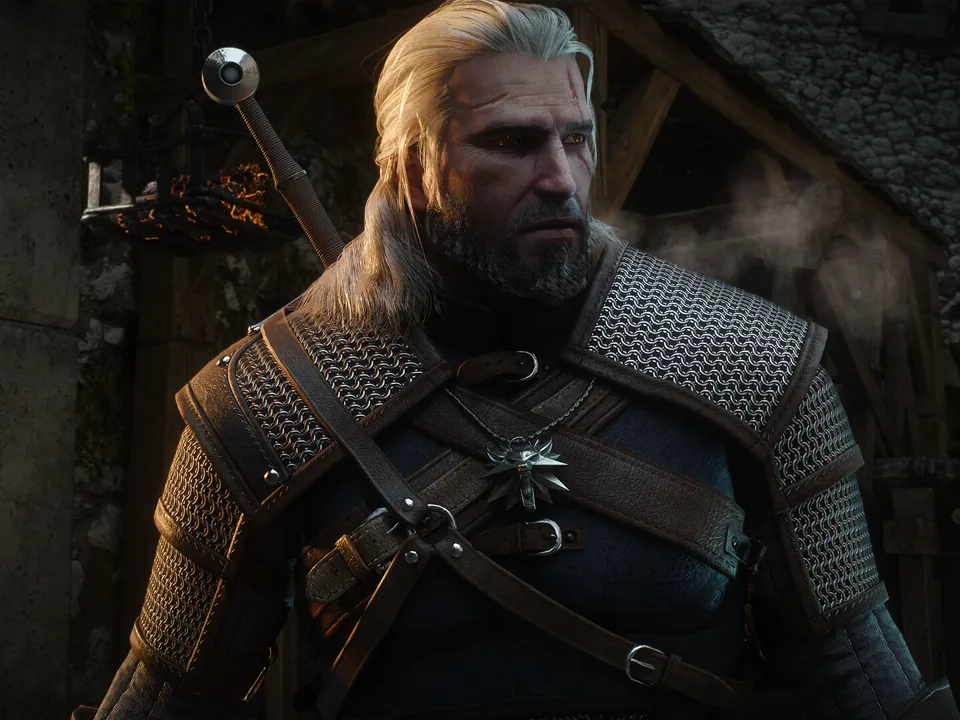
Griffin Witcher Gear
Griffin gear is the medium Griffin School set built around sign intensity and a more controlled, magic-heavy combat loop.
Open verified answer ↗
Ursine Witcher Gear
Ursine gear is the heavy Bear School set for strong attacks, adrenaline and survivability.
Open verified answer ↗
Wolven Witcher Gear
Wolven gear is the Wolf School all-rounder: medium armor that supports mixed sword, sign and adrenaline play without over-specializing.
Open verified answer ↗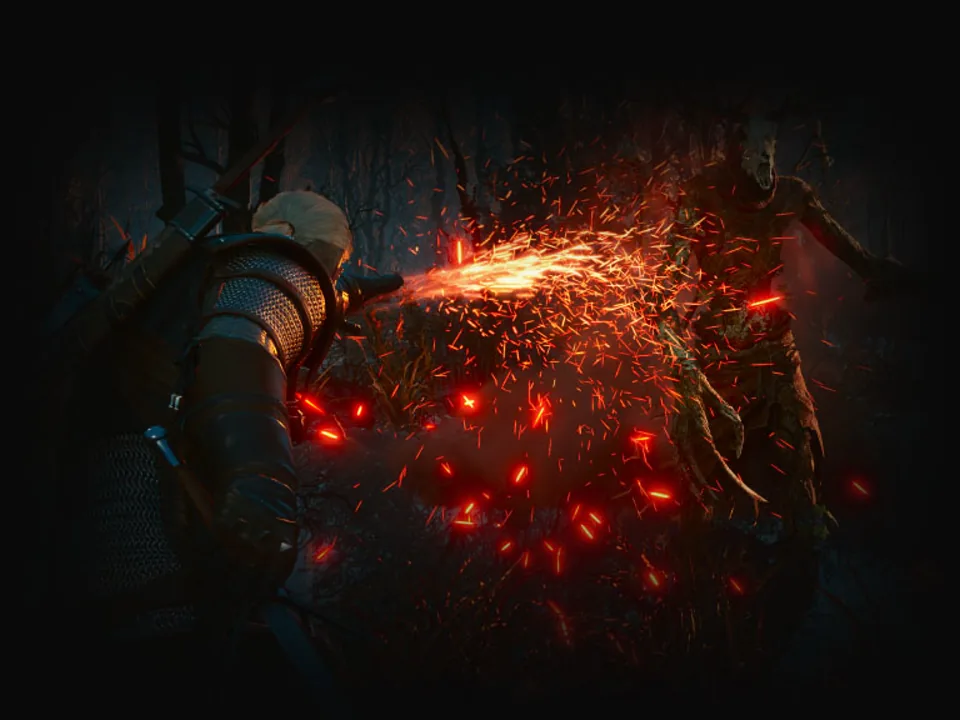
Combat
Combat is built from reading the enemy, choosing the right sword, and weaving defence with signs, bombs and alchemy.
Open verified answer ↗